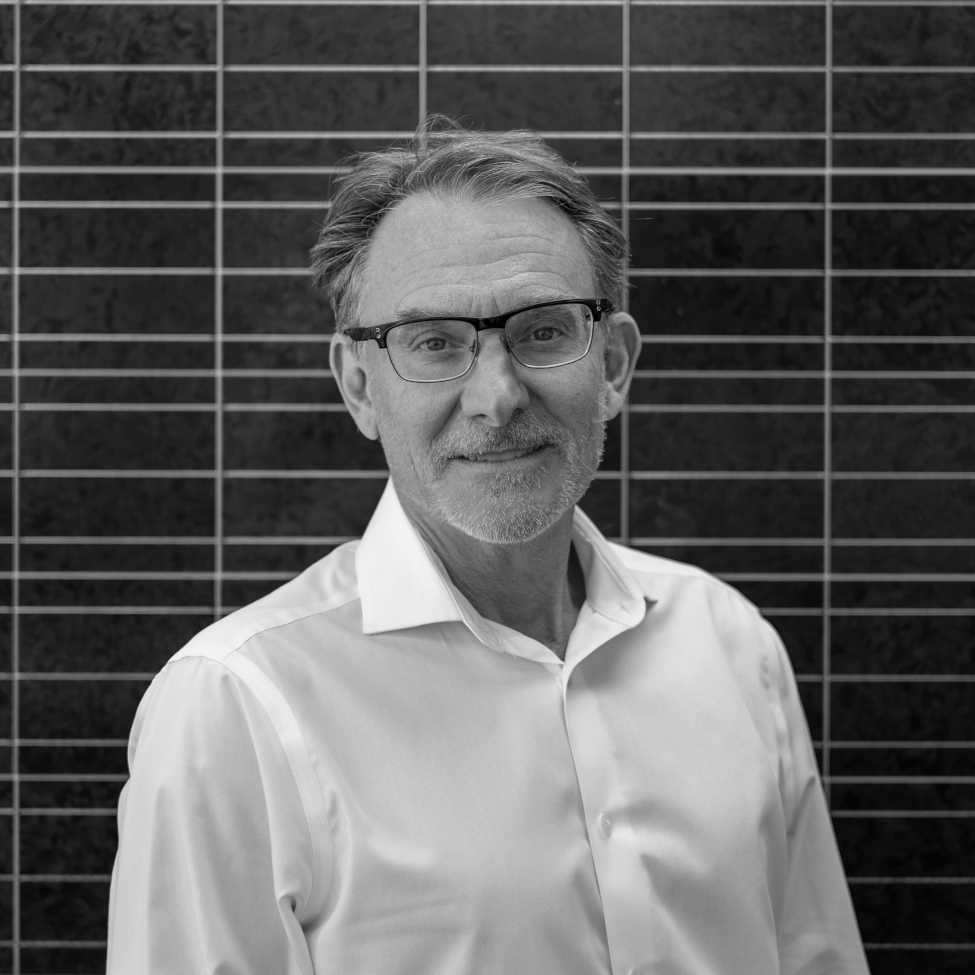
Daniel Soper
Chief Executive Officer
As CEO, Dan leads CarbonFree’s overall business including its strategic, transactional and financial activities.
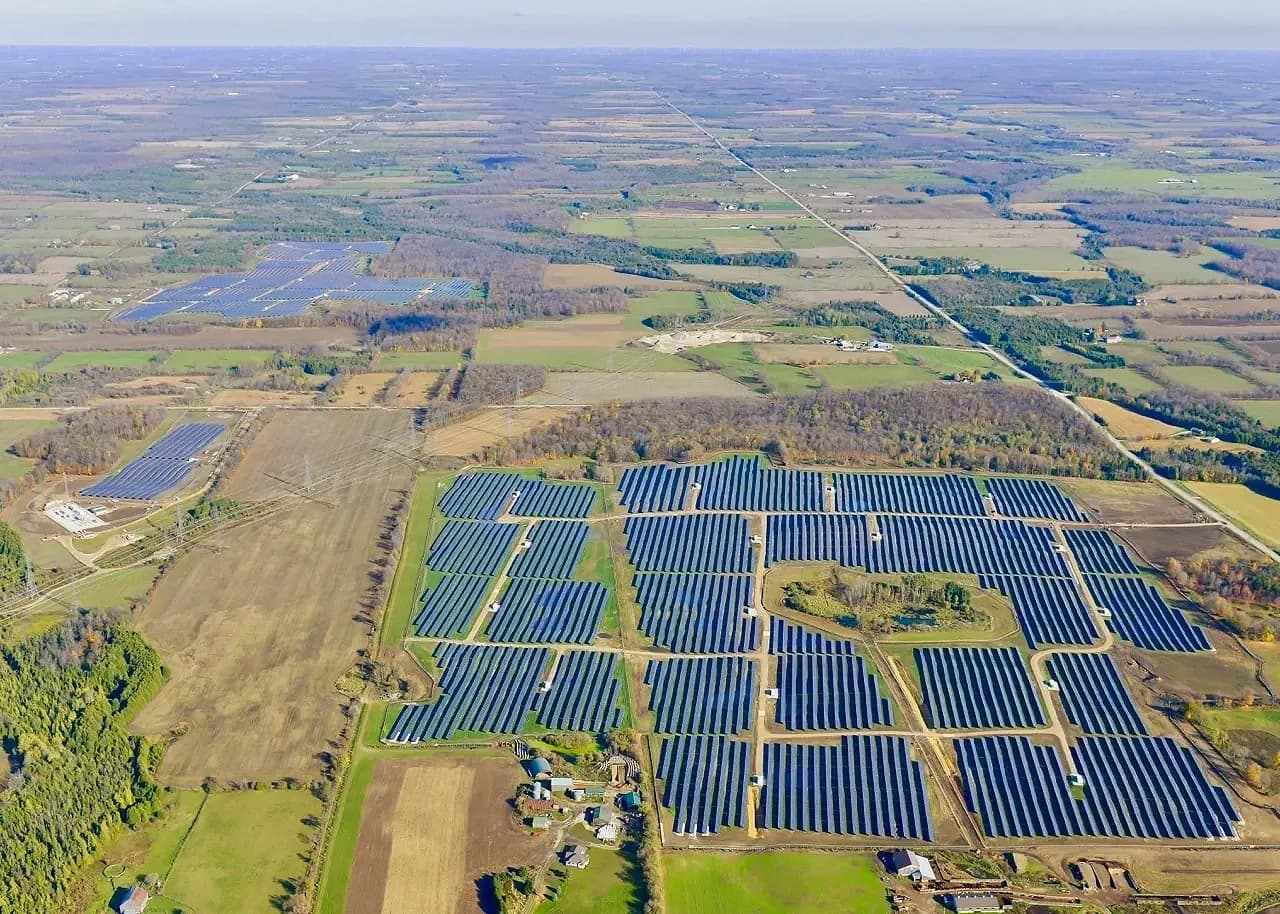
If you own rural, marginal or industrial land near available grid capacity, it may be able to host a utility-scale solar project. Long-term lease payments, nothing out of pocket, and the land stays yours throughout.
For most owners, a solar lease earns more per acre than leaving marginal ground idle — without weather risk, input costs or labour.
Fixed annual payments that don’t depend on commodity prices, rainfall or markets. You know what you’ll earn, year after year, for the length of the term.
We lease it. You retain ownership and, where applicable, your mineral rights. At the end of the term the equipment comes out and the ground is returned to you restored — and that obligation is written into the contract.
CarbonFree handles feasibility, engineering, interconnection, permitting, construction, maintenance, insurance and decommissioning. No expense and no work on your end.
Lease the portion that works and keep using the rest. Low-yield, awkward or unworked ground is often the best fit for solar — the parcels that earn least are frequently the ones we want.
We encourage every landowner to review the agreement with their own lawyer or financial advisor, and to confirm the property tax treatment with their accountant. A lease that only makes sense when it is explained by the person offering it is not a lease worth signing.
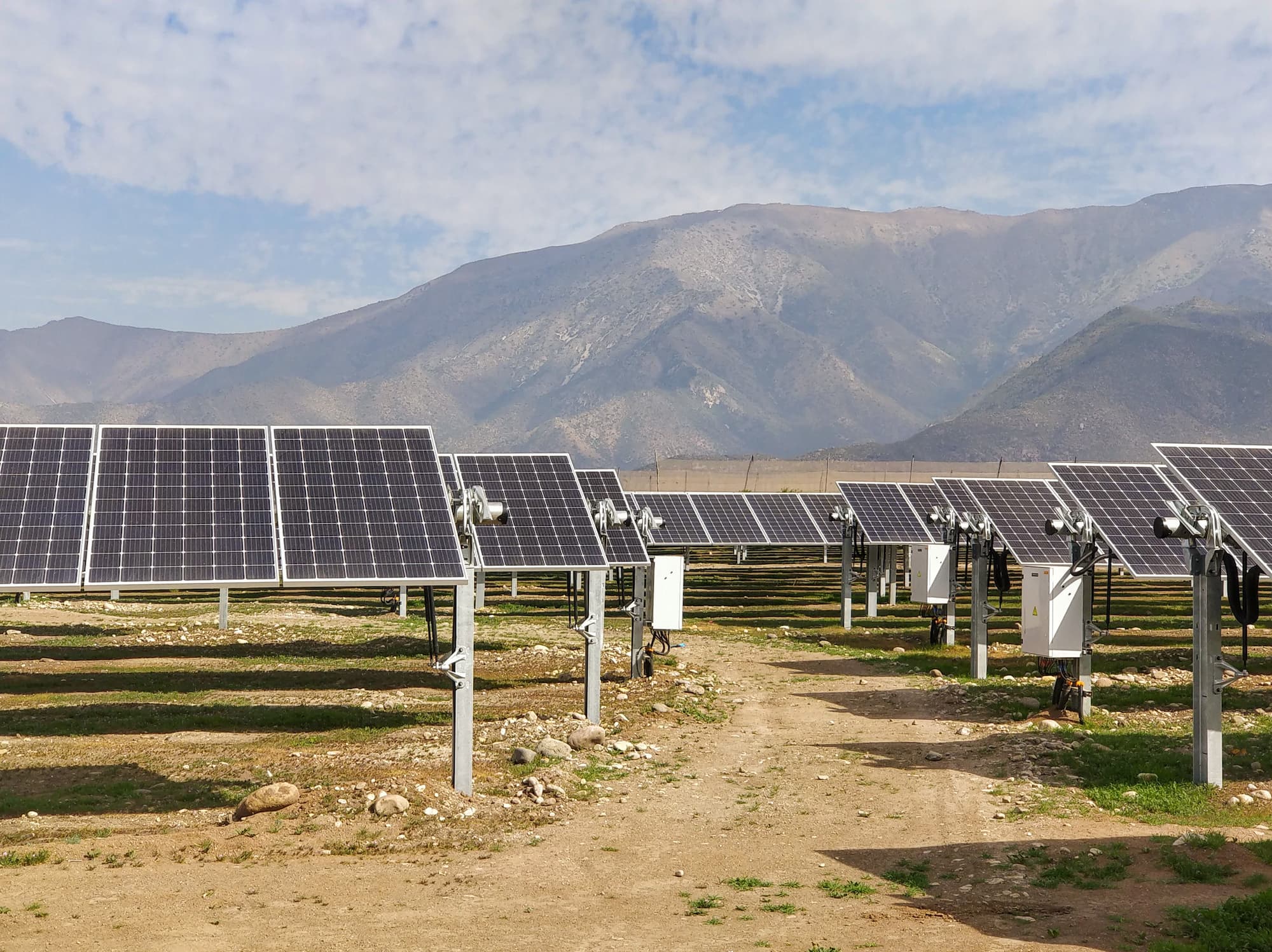
We are actively securing land for a second Ontario portfolio of more than a gigawatt. Ground that is awkward to work, low-yield or sitting idle is frequently the best candidate — what matters most is what is nearby, not what grows on it.
Share the location and rough acreage. It takes two minutes and costs nothing.
We evaluate the parcel for sunlight, grid access, topography and permitting — then come back with whether it qualifies and what it could support.
We walk you through payment, term, escalators and protections in plain language. Take your time and review it with your own lawyer or advisor.
Once signed, CarbonFree manages design, permits and construction. Payments begin per the agreed schedule and continue for the life of the lease.
The specifics differ on every parcel, but the shape of the arrangement — and the pace of it — does not.
A 240-acre farm with a low-yield back parcel that had been rented out for grazing at a rate that barely covered its own property tax.
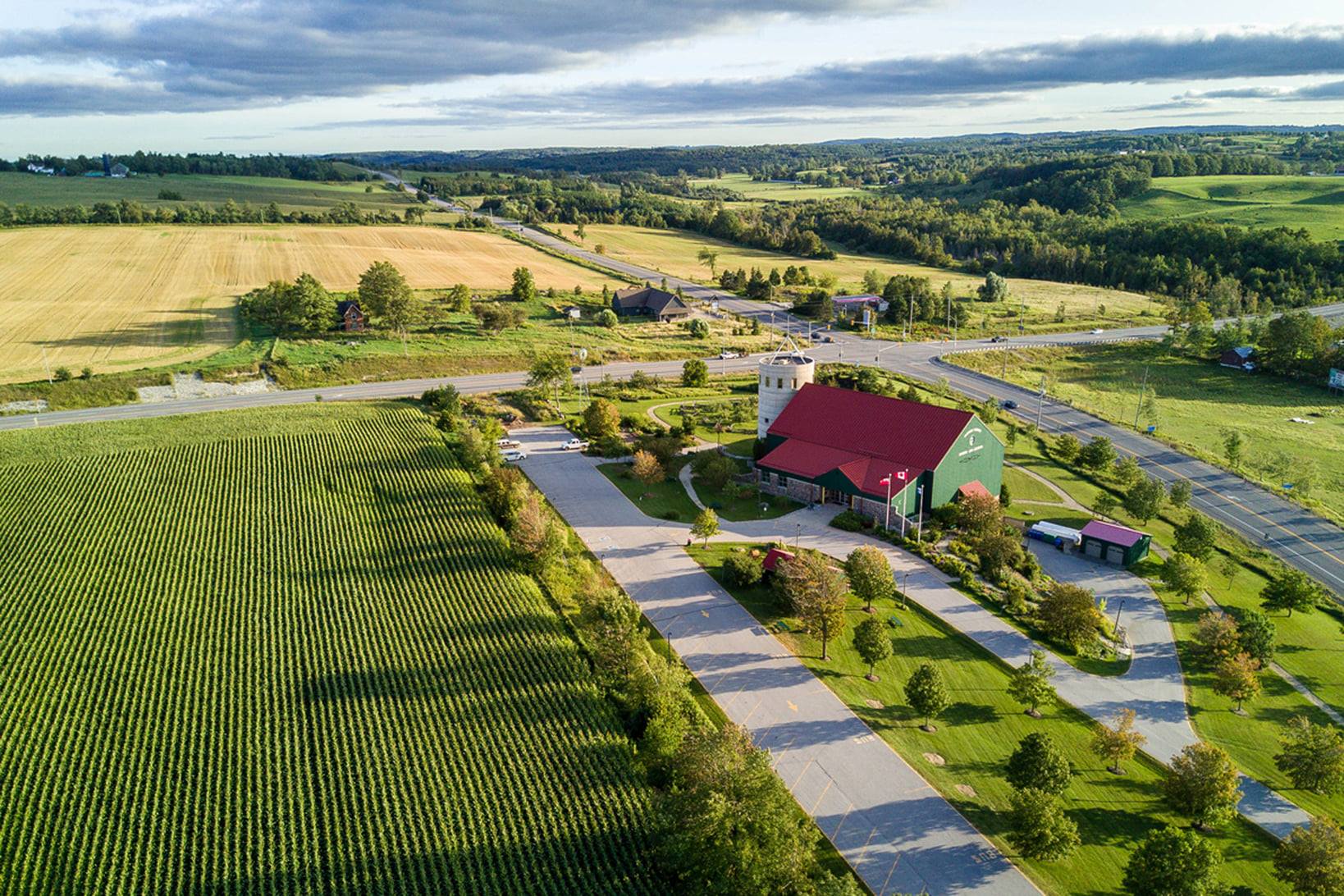
The parcel sat at the back of the property: wet in spring, thin soil, awkward to reach with equipment. It had been in and out of grazing for a decade. What made it work for solar had nothing to do with any of that — a distribution feeder ran along the road allowance with capacity available on it.
CarbonFree walked the site, confirmed the interconnection, and put an option agreement in front of the owner within two months. The family took it to their own lawyer and their accountant before signing anything. The remaining 180 acres stayed in production throughout, and the access road built for the project is now the all-weather route to the back of the farm.
“The part of the farm that gave us the most trouble is now the part we can count on. It pays the same in a drought year as it does in a good one.”
A solar lease runs for decades, so the question that matters is who is on the other side of it. CarbonFree was founded in Toronto in 2006 and much of the senior team joined within the first two years. Development, financing, construction and operation all sit under one roof — the person who first visits your property is not handing you to a stranger at the next stage.
Chief Executive Officer
As CEO, Dan leads CarbonFree’s overall business including its strategic, transactional and financial activities.

Tell us where it is and roughly how big it is. We’ll tell you whether it qualifies — and if it doesn’t, we’ll tell you that too.